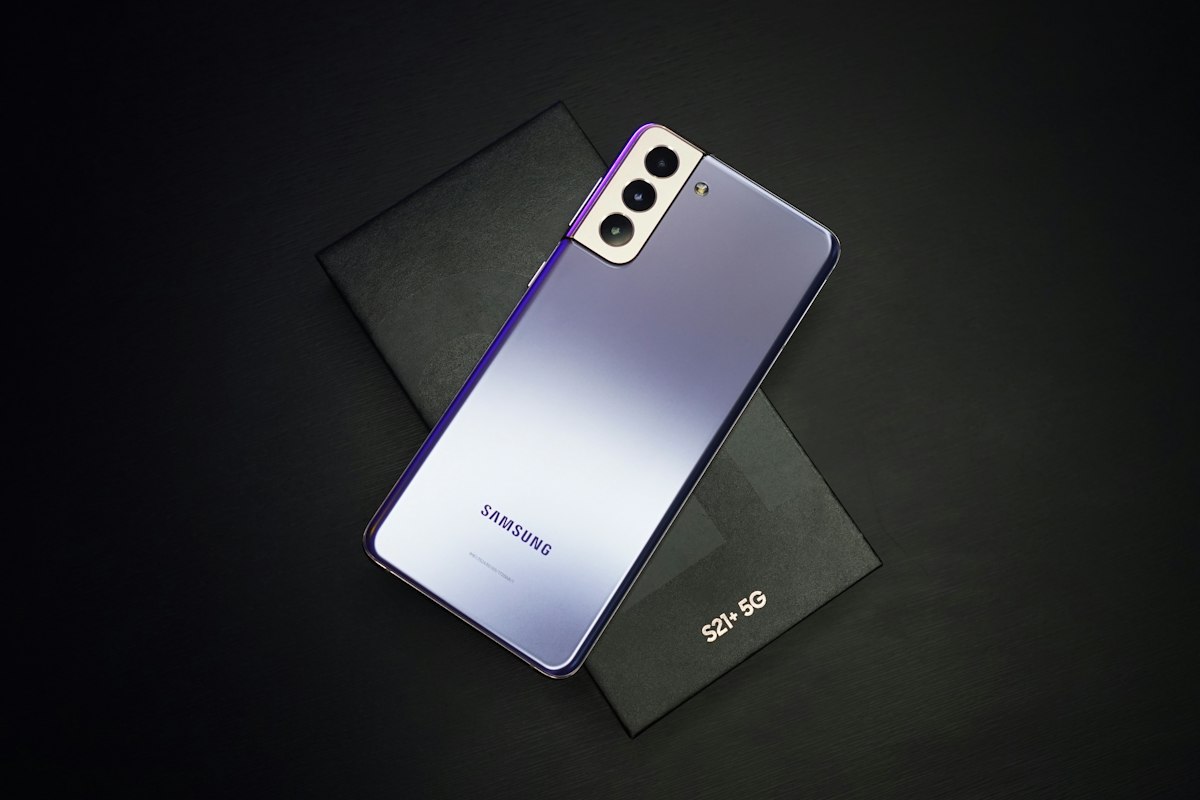
Qualcomm has told its customers that a double-digit chip price hike will land on September 1. The trigger is not tariffs or corporate greed but a memory shortage that artificial intelligence created. Your next phone is about to help pay for the data center boom.
By Blumefield | July 28, 2026
The Letter That Rattled the Supply Chain
Somewhere inside the procurement teams of every major Android manufacturer, a short note from Qualcomm has landed with the weight of a boulder. According to reporting first surfaced late last week, the company has notified hardware partners that its product prices will rise by double-digit percentages on shipments beginning September 1. Snapdragon, the silicon brain inside a large share of the world's premium and mid-range phones, is getting more expensive, and the people who build handsets have almost no way to route around it.
This chip price hike matters far beyond one vendor's margin math. Qualcomm sits at a chokepoint in the mobile economy. Samsung, Xiaomi, Motorola, Honor, and a long list of others depend on its processors and modems, and switching suppliers is a multi-year engineering project rather than a quarterly negotiation. When a company in that position raises prices across the board, the increase does not stay contained. It travels down the assembly line and eventually reaches the checkout screen.
What makes this particular increase unusual is the reason Qualcomm gives for it. The company is not blaming trade policy or a factory fire. It is pointing at the soaring cost of the components it must buy to build its own products, and above all at memory. For years the smartphone industry treated memory as a cheap, abundant commodity. That assumption has quietly collapsed.
How Chipflation Reached Your Pocket
The word making the rounds among semiconductor analysts is "chipflation," a term Morgan Stanley put on the cover of a research note earlier this summer. The bank's argument is blunt. Memory prices have risen more than sixfold over the past year, and the increase is structural rather than a passing spike. The bank now projects that memory could account for roughly 40 percent of all artificial intelligence capital expenditure by 2030, which tells you where the chips are going and why so few are left for everyone else.
The numbers underneath that headline are startling. Research firm TrendForce has tracked contract prices for conventional DRAM climbing far beyond earlier forecasts, with some estimates revised from a 55 to 60 percent increase up to 90 to 95 percent. Mobile memory has been hit hardest of all. Average selling prices for LPDDR5X, the memory that feeds a modern flagship phone, have been rising roughly 78 to 83 percent quarter over quarter. That is the input cost Qualcomm cannot absorb any longer, and it is the reason a chip price hike is arriving now rather than next year.
For consumers, the mechanics are simple even if the supply chain is not. A phone that costs more to build costs more to buy. Google has already confirmed that its entire Pixel lineup will see price adjustments, citing the same memory crunch. Reports suggest the base Pixel 11 could start around $899, a $100 jump from the prior generation. The Blumefield view is that this is not a one-off. It is the leading edge of a repricing that will ripple through laptops, game consoles, and any device that leans on the same pool of memory and manufacturing capacity.
Why Memory Became the Bottleneck
To understand how a booming technology can make ordinary gadgets more expensive, follow the wafers. The world's three dominant memory makers have a finite amount of production capacity, and they are pouring an ever larger share of it into high-bandwidth memory, the specialized product that sits beside the processors inside AI servers. TrendForce estimates that high-bandwidth memory could consume around 22 percent of total DRAM wafer input by the end of this year, rising toward 30 percent in 2027.
Every wafer devoted to high-bandwidth memory is a wafer not making the cheaper LPDDR and standard DRAM that phones, laptops, and cars rely on. The AI industry is willing to pay almost any price for memory because a data center that cannot feed its accelerators is worthless. Consumer electronics, with its thin margins and price-sensitive buyers, simply cannot outbid a hyperscaler. So the memory flows toward the highest bidder, and the shortage that results shows up as a chip price hike at the bottom of the market.
This is a textbook case of an industry cannibalizing its own foundations. The same companies celebrating record AI revenue are quietly making their consumer businesses harder to run. The dynamic also explains why the pain is spreading so quickly. Qualcomm tried for months to find alternative suppliers and hold the line on pricing before conceding that the economics had shifted for good. When a company with Qualcomm's purchasing power runs out of options, smaller device makers have even fewer.
The Squeeze on Phone Makers
Handset manufacturers now face a genuinely uncomfortable set of choices, none of them painless. They can absorb the higher cost and watch their margins shrink, a hard sell to investors already nervous about AI-era capital discipline. They can pass the chip price hike on to buyers and risk softening demand in a market where upgrade cycles are already stretching to four years or more. Or they can quietly strip features, cut memory allocations, or delay launches to protect a target price.
Early signals point toward higher prices reaching the shelf in late 2026 and running through 2027. Premium devices will feel it first, because they carry the most memory and the most advanced processors, exactly the components in shortest supply. But mid-range phones, long the volume engine of the industry, are not immune. A cost increase at the component level tends to compress hardest in the middle, where a $30 increase can push a device past a psychologically important price point.
There is a competitive wrinkle here too. Qualcomm's move gives rivals an opening, at least in theory. MediaTek and others could try to hold prices and grab share. In practice, they buy from the same strained memory market and face the same cost pressure, so the relief may be limited. The likelier outcome is an industry-wide reset in which premium phones simply become more expensive, and consumers absorb a share of the bill for the AI infrastructure boom without ever seeing a data center.
What Happens Next
The optimistic case is that this shortage is cyclical and self-correcting. Memory makers are ramping investment, new capacity is coming, and Morgan Stanley itself has hinted that the current momentum may be near a near-term peak. If supply catches up in 2027, some of the pressure behind today's chip price hike could ease, and prices might stabilize rather than keep climbing.
The pessimistic case is more sobering. If AI demand keeps growing at anything like its current pace, memory could remain structurally scarce for years, and consumer electronics could be permanently priced as the residual claimant on capacity that the AI industry does not want. In that world, Qualcomm's September increase is not an anomaly but the first clear signal of a new normal, one where the cost of intelligence in the cloud quietly shows up in the price of the device in your pocket.
Either way, the September 1 date has turned an abstract debate about AI spending into something households will feel directly. For more coverage of how the artificial intelligence buildout is reshaping the real economy, follow Blumefield. The memory that trains tomorrow's models is being paid for, in part, by everyone buying a phone today, and Qualcomm just put a number on the bill. Watch the Qualcomm shipment calendar, because the chip price hike it describes is the clearest evidence yet that the AI boom has finally reached Main Street.