The Strait of Hormuz Reopens After Months of War
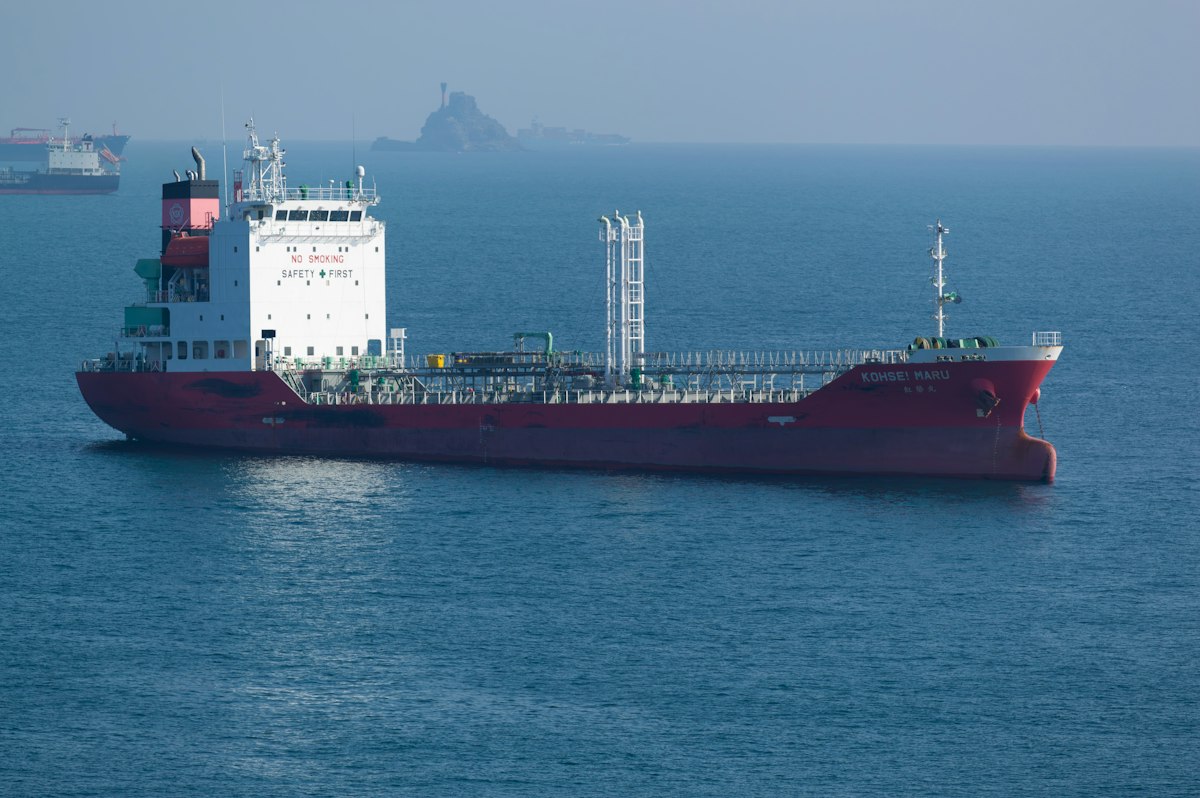
The Strait of Hormuz is reopening, and the first sign came not from a podium but from a tanker queue. For nearly four months, roughly a fifth of the world's seaborne oil had been trapped behind that closed waterway, mined seas and dueling blockades turning the planet's busiest energy artery into a wall. On Sunday evening the wall began to come down, and by Tuesday the price of crude was in free fall.
President Trump declared on Truth Social that an initial agreement with Iran was "now complete," writing, "Ships of the World, start your engines. Let the oil flow." Iran's Supreme National Security Council described the deal as the product of "a difficult and intensive period of negotiations lasting several months." A formal signing is set for Friday in Switzerland, mediated by Pakistan and Qatar. The breakthrough does not end the conflict outright, but it does something markets had been pricing as a distant hope: it lifts the blockade on the Strait of Hormuz.
For an educated reader who has watched the inflation premium build all spring, the significance is hard to overstate. A single waterway has dictated the cost of everything from jet fuel to fertilizer since late February. Its reopening is the most consequential macro event of the quarter, and it arrived in a Truth Social post rather than a central bank statement.
Why the Strait of Hormuz Matters
There is no substitute for this chokepoint. The US Energy Information Administration has long called the Strait of Hormuz the world's most important oil transit passage, the narrow neck of water through which the crude and liquefied natural gas of Saudi Arabia, the UAE, Kuwait, Qatar and Iran itself must pass to reach Asian and European buyers. When it functions, it is invisible. When it closes, every refinery on earth feels it within weeks.
That is precisely what happened after fighting erupted on February 28. Iran effectively shut the passage, the United States blockaded Iranian ports in response, and the price of oil rocketed toward triple digits as traders priced in a supply shock with no clear exit. The economic damage rippled outward in familiar ways, lifting headline inflation, hardening central bank rhetoric and draining the risk appetite that growth equities depend on. The closed strait became shorthand for a year of stagflationary anxiety.
Reopening it reverses that logic almost mechanically. Gulf producers have been pumping into storage and straining against export ceilings, and the UAE left OPEC during the conflict to lift its own output. The moment tankers can sail, that pent-up supply floods back into a market that had been pricing scarcity. The deal also commits both sides to halt the sporadic attacks that persisted despite an earlier ceasefire, and it ties in a parallel pause to the Israel-Hezbollah fighting in Lebanon that Tehran had made a condition of any agreement.
Oil and Equities Reprice in Hours
The market reaction was immediate and one-directional. Brent crude fell more than five percent to below 80 dollars a barrel, its lowest since the first week of March, extending its losing streak to a fourth consecutive session and erasing the bulk of the war premium. The S&P 500 climbed roughly 1.9 percent as money rotated out of energy and defensive names and back into technology and consumer discretionary shares, the cohorts that suffer most when oil and rates climb together.
The mechanics of that rotation are worth dwelling on. A war premium in oil is, functionally, a tax on every cyclical business and a tailwind for energy producers. Remove it, and the trade unwinds in reverse. Airlines, chemicals, logistics and the rate-sensitive megacap technology complex all caught a bid, while the energy sector gave back gains that had looked, only days earlier, like a structural re-rating. The reopening of the Strait of Hormuz did in a single session what months of patient positioning could not.
It also lands at a delicate moment for monetary policy. The Federal Reserve concludes its meeting this week, the first under its new chair, and a sustained drop in energy costs hands officials something they have lacked all spring: a credible reason to expect inflation to cool without forcing the issue through higher rates. Cheaper crude feeds directly into goods prices and inflation expectations, and a calmer Gulf removes the single largest upside risk that had been clouding the outlook. Traders are now wagering that the path of policy bends easier, not tighter.
The Unfinished Business
None of this means the war is over. The memorandum of understanding extends the existing ceasefire by only 60 days, a window meant to produce a permanent settlement but just as capable of producing a relapse. The hardest questions were deferred, not solved. Iran's nuclear program, the stated reason the United States launched the campaign in February, remains unresolved. Trump told The New York Times that Iran would be permitted low-level enrichment, a striking concession from a president who had previously demanded full dismantlement.
Other flashpoints are equally live. Tehran wants billions in frozen assets released and sanctions lifted, demands that will test how much Washington is willing to give. Israel was not a direct party to the talks, and its defense minister said the country would keep troops in southern Lebanon indefinitely, even as Hezbollah drones and Israeli airstrikes continued through the weekend. Trump himself criticized an Israeli strike on Beirut hours before announcing the deal. The reopening of the Strait of Hormuz rests on a framework whose load-bearing walls have not yet been built.
Markets, for now, are choosing to look through that fragility. The United Nations Secretary-General called the agreement a critical step and urged the parties to redouble their efforts, while European leaders from Britain, France, Germany and Italy welcomed it and pressed for swift implementation. Mine clearance in the strait can only begin after Friday's signing, which means the physical reopening will lag the financial one by days or weeks. Traders are pricing the intention. The tankers still have to move.
What Comes Next for Markets
The base case now is a cautious normalization. If the strait reopens on schedule and Gulf exports resume, oil could keep drifting toward the levels that prevailed before the war, handing consumers and central banks a welcome disinflationary pulse. OPEC and its partners will face the awkward task of managing a market that swings from scarcity to glut, with the UAE's exit from the cartel complicating any coordinated response to falling prices. The supply that cushioned the world during the blockade could just as easily overshoot on the way down.
The risk case is a 60-day cliff. Should the follow-on talks collapse over enrichment, sanctions or Lebanon, the premium that just evaporated would reassemble with brutal speed, and the equity rotation now underway would reverse just as fast. Investors who chase this rally are, in effect, betting that a fragile framework hardens into a durable peace within two months. That is a real possibility, but it is not a certainty, and the asymmetry of the wager deserves respect.
What is clear is that the Strait of Hormuz has reasserted itself as the single most important variable in the global macro picture, a reminder that for all the attention lavished on artificial intelligence and chip cycles, the world economy still turns on the free passage of oil through a few miles of contested water. For continuing coverage of the deal and its market consequences, follow Blumefield, and revisit our earlier analysis of the conflict at Blumefield. The ships are starting their engines. The hard part begins now.