The Inflation Report That Broke the Calm
The September inflation report that landed on Wednesday ended a long stretch of market complacency in a single line. The Bureau of Labor Statistics reported that consumer prices rose 0.6 percent in September, the fastest monthly pace in more than a year, lifting the annual rate to 3.7 percent from 3.4 percent in August. Economists had penciled in 3.6 percent. The miss looked small on paper and felt enormous in mood.
Core inflation, the measure the Federal Reserve watches most closely because it strips out volatile food and energy, told a similarly uncomfortable story. It climbed 0.3 percent on the month and 2.6 percent over the year, both a touch above forecasts. After a run of reassuring readings, the September inflation report confirmed what a handful of bond traders had been whispering since the summer. Price pressure is not fading on schedule, and it may be settling in.
The reaction was immediate. By mid-morning in New York the Nasdaq Composite was down about 1.4 percent, the S&P 500 had shed close to 1 percent, and Treasury yields pushed higher as traders rewrote their assumptions about the path of interest rates. The calm that had defined the autumn broke before lunch.
Gasoline Did the Damage
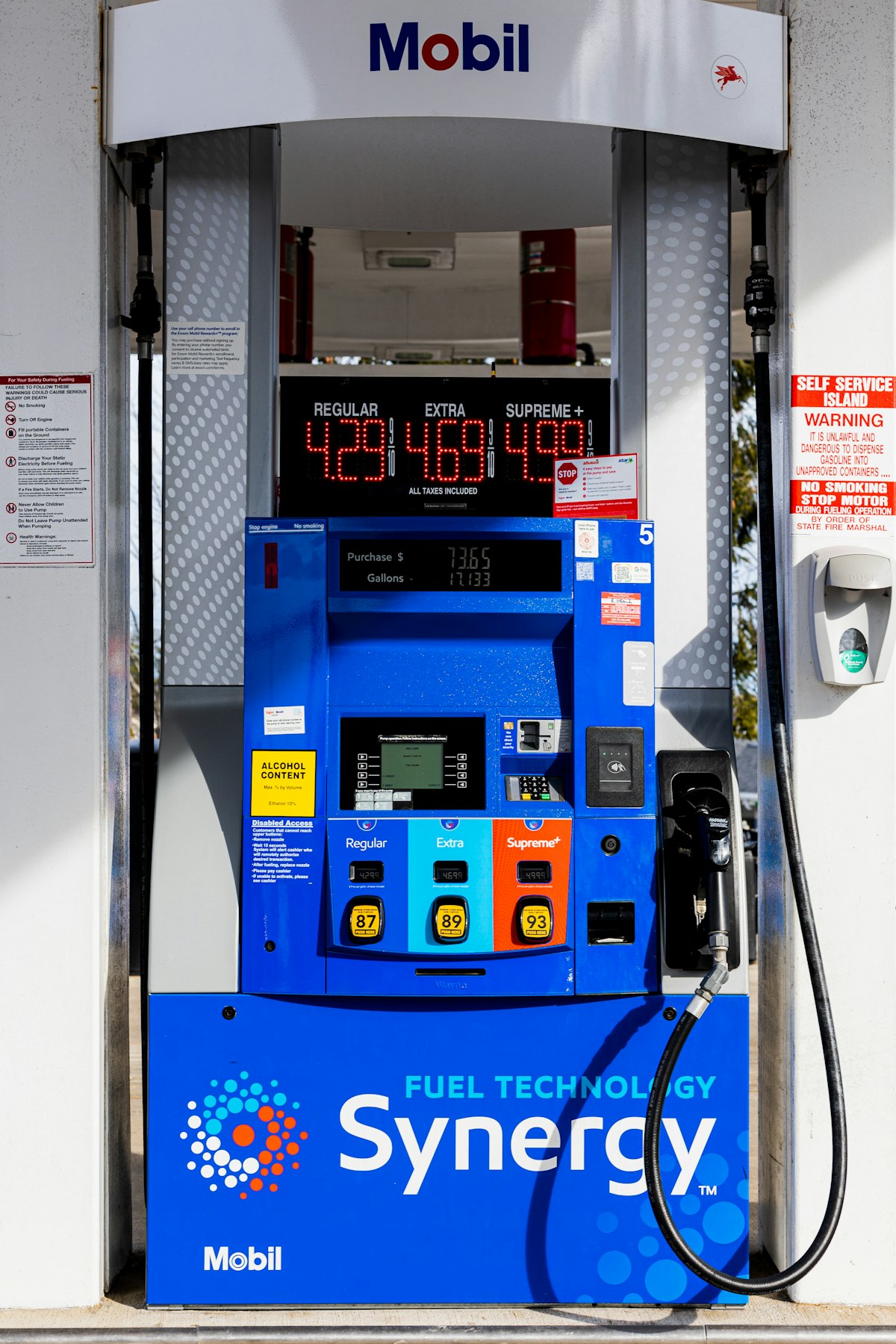
Pull the data apart and one culprit dominates. Energy prices jumped 5.2 percent in September and are now up a staggering 20.4 percent over the year. Gasoline alone rose 9.1 percent on the month and 34.2 percent on the year, according to the Bureau of Labor Statistics. That single category accounted for more than half of the entire monthly increase in the headline index.
This is where the macro picture collides with geopolitics. Crude has been trading north of 100 dollars a barrel for weeks, a level that feeds directly into pump prices and, more slowly, into the cost of everything that has to be shipped, flown or manufactured. Airline fares were up 22.4 percent over the year. Fuel oil climbed more than 74 percent. The U.S. Energy Information Administration has tracked tightening crude and distillate inventories all quarter, and the pass-through to consumers is now unmistakable.
Energy shocks are supposed to be transitory. The danger in this inflation report is that the shock is lasting long enough to seep into the core. Tim Urbanowicz of Goldman Sachs Asset Management warned that "100-plus crude" is adding pressure to sticky core prices rather than staying neatly quarantined in the energy line. When drivers and businesses start to expect higher prices, those expectations have a way of becoming self-fulfilling.
Why the AI Trade Flinched
On the surface, a gasoline-driven inflation print should have little to do with the companies building large language models and the chips that train them. The link runs through interest rates, and it is unforgiving. The entire artificial intelligence trade, from the hyperscalers down to the smallest inference-chip startup, is valued on the promise of enormous profits years in the future. The higher rates go, the less those distant profits are worth today.
That is why the hottest corners fell hardest. Semiconductor names, cloud providers and the handful of megacaps that have carried the indices all year led Wednesday's decline. Investors have poured hundreds of billions of dollars into AI infrastructure on the assumption that the cost of capital would keep drifting lower. A single inflation report does not reverse that thesis, but it does puncture the certainty behind it, and certainty is what richly valued stocks are really selling.
There is a second, quieter worry. Much of the AI buildout is financed with debt and intricate off-balance-sheet leases, structures that look cheap when money is cheap and considerably less so when it is not. A Federal Reserve forced to hike rather than cut would raise the cost of every new data center, every chip order and every circular financing arrangement propping up the sector. As Blumefield has reported, the leverage underneath the boom is larger and more opaque than the headline spending figures suggest.
Warsh's Corner
All eyes now turn to Kevin Warsh and a Federal Reserve that has spent the year leaning hawkish. The federal funds target sits at 3.75 to 4 percent, and until Wednesday the market was convinced the central bank would hold steady at its next meeting. The September inflation report changed the math. According to CME Group's widely watched FedWatch tool, the probability of a hold fell from roughly 78 percent to 58 percent within hours, while the odds of a quarter-point hike jumped from 22 percent to more than 41 percent.
The timing is awkward. The next policy decision lands on October 27 and 28, according to the Federal Reserve's official calendar, giving officials only two weeks and little fresh data to digest. Warsh built his reputation as an inflation hawk, and a reading like this hands him the ammunition to act. A hike so soon after the market had written one off would land as a genuine shock.
Not everyone is convinced the Fed will pull the trigger. The labor market has softened over the year, and some strategists argue the central bank will look through an energy-driven spike rather than risk choking off growth. Vanguard's Adam Schickling noted that inflation is "proving more persistent than many expected, particularly across services," a nod to the uncomfortable truth that this is no longer only about oil.
What Comes Next
The honest answer is that one inflation report rarely settles anything, and this one has simply widened the range of plausible outcomes. If crude retreats and the energy spike fades, the September data will read in hindsight as a bump. If oil stays elevated and core services keep grinding higher, the Fed may be dragged into a tightening cycle that almost nobody in the equity market has priced.
For the AI complex, the stakes are concrete. The sector's valuations, its financing and its breakneck capital spending all assume a benign rate environment. A hawkish surprise at the end of this month would not end the AI story, but it would force a painful repricing of how much investors are willing to pay for growth they cannot yet see. The soft-landing narrative that carried markets through the year just met its first serious test, a theme the markets desk at Blumefield will keep tracking closely.
Expect volatility to stay elevated into the October meeting. Every speech, every barrel of oil and every data release between now and then will be parsed for clues. Wednesday's inflation report did not deliver a verdict. It delivered a warning, and the market heard it clearly.