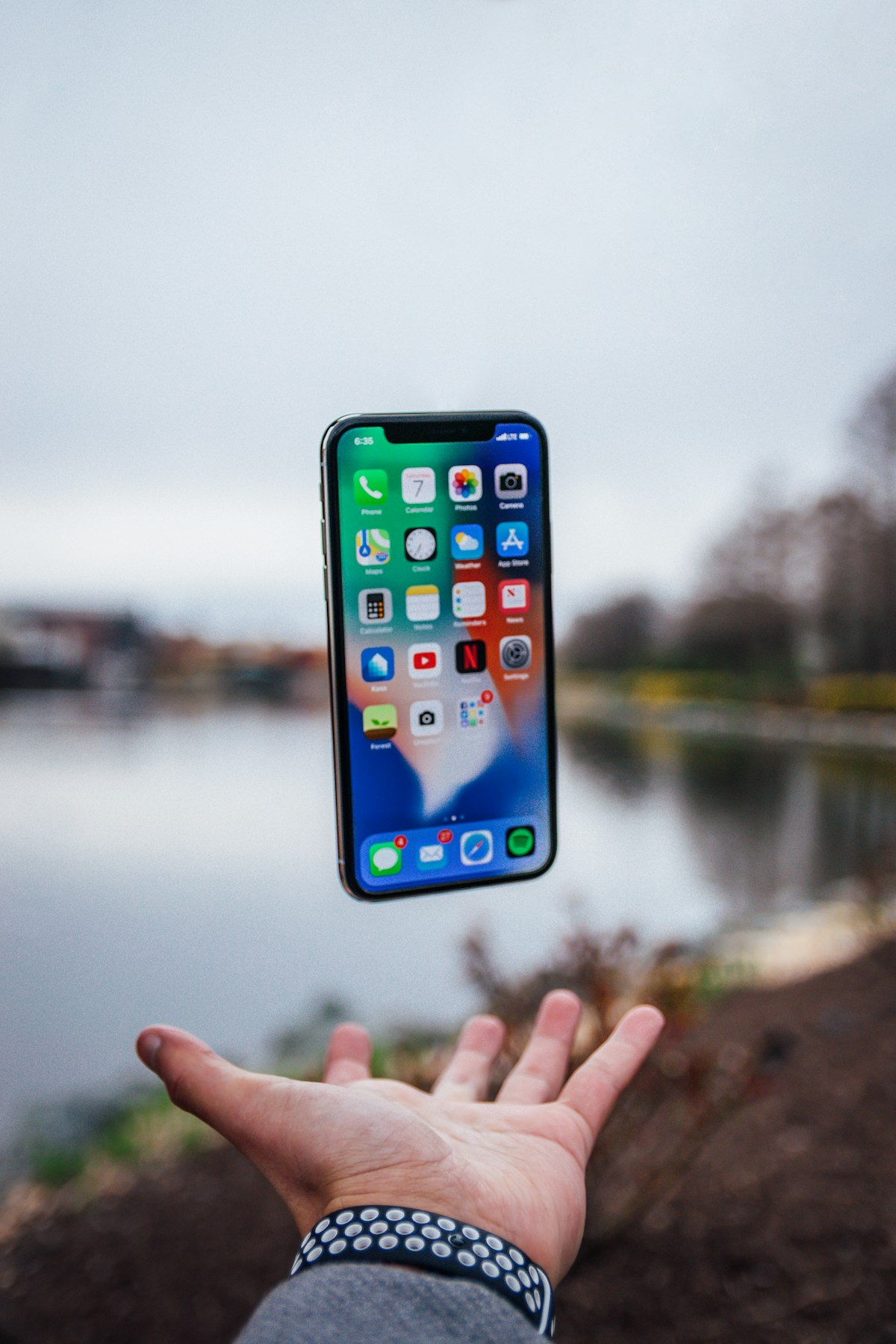
Apple Upgrade lands on July 28, and it quietly rewrites how the world buys its most important product. Instead of owning an iPhone, millions of customers will now rent one from a Swedish lender. The most valuable company on earth is betting its hardware future on a monthly bill.
By Blumefield | July 23, 2026
The Program That Ends Ownership
On July 28, Apple will launch Apple Upgrade, a lease-to-own program that lets customers pay a monthly fee for an iPhone, iPad, Mac or Apple Watch rather than buying one outright. The terms run to 24 months for iPhone and Apple Watch and up to 36 months for Mac and iPad. At the end of the term, a customer can keep the device, return it, or roll straight into a newer model. The credit group Klarna sits behind the financing, running a soft credit check at sign-up and carrying the balance on its own books.
This is not a minor tweak to a checkout page. Apple is winding down its long-running iPhone Upgrade Program and steering new customers toward the broader Apple Upgrade plan, which folds far more of the product line into a single recurring relationship. The old program bundled AppleCare and was limited mostly to phones. The new one strips out AppleCare, widens the hardware on offer, and reframes the entire purchase as a subscription you renew rather than a transaction you complete.
The exclusions are telling. Apple Upgrade will not cover the cheapest tiers, including the Apple Watch SE, the base iPad, the iPhone 16 or the MacBook Neo, and it is closed to business and education buyers at launch. Apple wants this aimed squarely at consumers trading up the premium ladder, the exact cohort whose spending it most needs to protect.
Why Apple Needs This Now
The timing is not a coincidence. Apple has spent 2026 fighting a brutal component squeeze that the industry has nicknamed RAMageddon, an acute shortage of memory chips driven by artificial intelligence data centers buying every module they can find. That shortage has pushed hardware costs up across the board, and Apple has already responded by raising prices on Macs and iPads while holding the iPhone line steady for now. A leasing program is the pressure valve. It makes a more expensive device feel affordable by slicing the sticker into small monthly pieces.
There is a second squeeze arriving right behind the first. Long-term manufacturing partner TSMC is lifting its base chip prices by as much as ten percent from 2027, which points to costlier iPhones and Macs for years to come. Apple Upgrade is the mechanism that hides those increases inside a payment plan, blunting the sticker shock that might otherwise slow the upgrade cycle. When the headline price climbs, the monthly number can stay flat, and psychology does the rest.
All of this is unfolding during a genuinely turbulent chapter for the company. Tim Cook has stepped down, new chief executive John Ternus has taken over, and Apple has opened an aggressive legal front by suing OpenAI over alleged trade-secret theft. Against that backdrop, Apple Upgrade reads as a defensive move, a way to lock in recurring hardware revenue while the rest of the business absorbs a wave of change.
The Klarna Bet
The most revealing detail is who is actually financing the leases. Apple explored building its own hardware subscription service years ago and shelved the plan in 2024. By handing the balance sheet to Klarna, Apple gets the recurring-revenue upside of leasing without carrying the credit risk itself. If a customer stops paying, that is Klarna's problem, not Cupertino's. Apple keeps the relationship, the brand, and the upgrade cadence, while outsourcing the messy business of consumer lending.
For Klarna, the prize is enormous. The buy-now-pay-later firm has been threaded deeper into Apple's ecosystem for two years, first through Apple Pay installments in 2024 and then as a Wallet financing option in 2025. Becoming the engine behind Apple Upgrade turns that partnership into a flagship. Investors saw the stakes immediately, sending Klarna shares up roughly nine percent on the news. A single distribution deal with Apple can put a lender in front of hundreds of millions of premium consumers overnight.
The arrangement also quietly financializes the iPhone. What used to be a durable good you owned becomes a credit product you service, complete with soft credit checks, term lengths and early-payoff fees. That shift carries real consequences for how households budget, how debt accumulates, and how a phone upgrade competes with every other monthly obligation on a strained consumer's ledger.
What Apple Actually Gains
Strip away the mechanics and Apple Upgrade is fundamentally a retention machine. A customer who leases an iPhone on a rolling 24-month plan is a customer who almost never leaves the ecosystem. The default path at the end of every term is another Apple device, another two years, another set of services layered on top. That predictability is worth far more to Apple than any single sale, because it smooths the lumpy upgrade cycle that has long made iPhone revenue hard to forecast.
It also feeds the story Apple most wants Wall Street to believe, which is that the company is becoming a durable subscription business rather than a cyclical gadget maker. Recurring hardware payments sit comfortably beside iCloud, Apple TV+, Apple Music and the rest of the Services engine. Every customer converted from a one-time buyer into a monthly subscriber makes the revenue base look steadier and, in theory, more richly valued. Apple Upgrade is as much a financial narrative as a consumer product.
The risk is that leasing accelerates a trend Apple may not fully control. As readers of Blumefield have tracked through the memory-shortage story, the economics of premium hardware are tightening from every direction at once. If monthly plans become the default way people acquire iPhones, Apple grows more dependent on the health of a lender, on consumer credit conditions, and on interest rates that sit entirely outside its influence. A recession that hits Klarna's loan book could ripple straight back into iPhone demand.
The Signal Beneath the Launch
Apple Upgrade should be read as a barometer for the whole premium-tech economy. When the maker of the most desirable consumer device on the planet decides its customers need a financing partner to keep buying, that is a statement about affordability at the top of the market, not just a new checkout option. The AI-driven component crunch has made flagship hardware genuinely expensive, and even Apple's famously loyal base needs help absorbing the cost.
Rivals will follow. Samsung has already leapt into fintech with its own credit card, and the logic of turning hardware into a subscription is too compelling for the rest of the industry to ignore. The next competitive battleground may be less about chips and cameras and more about who owns the monthly payment relationship with the customer. Ownership is quietly giving way to access, and Apple, as usual, is setting the template the market will copy.
For now, the numbers to watch are simple. How many customers convert, how Klarna's loan book behaves, and whether Apple Upgrade steadies iPhone revenue through a period of rising prices. If it works, the subscription phone becomes the norm and Apple locks in a generation of renters. If it stumbles, it will stand as the moment the world's richest hardware company admitted its products had grown too expensive to simply sell. Either way, the July 28 launch of Apple Upgrade marks a genuine turning point. For more analysis of the AI-era hardware squeeze, follow Blumefield.
Primary sources: Apple, Klarna, and Apple Newsroom.