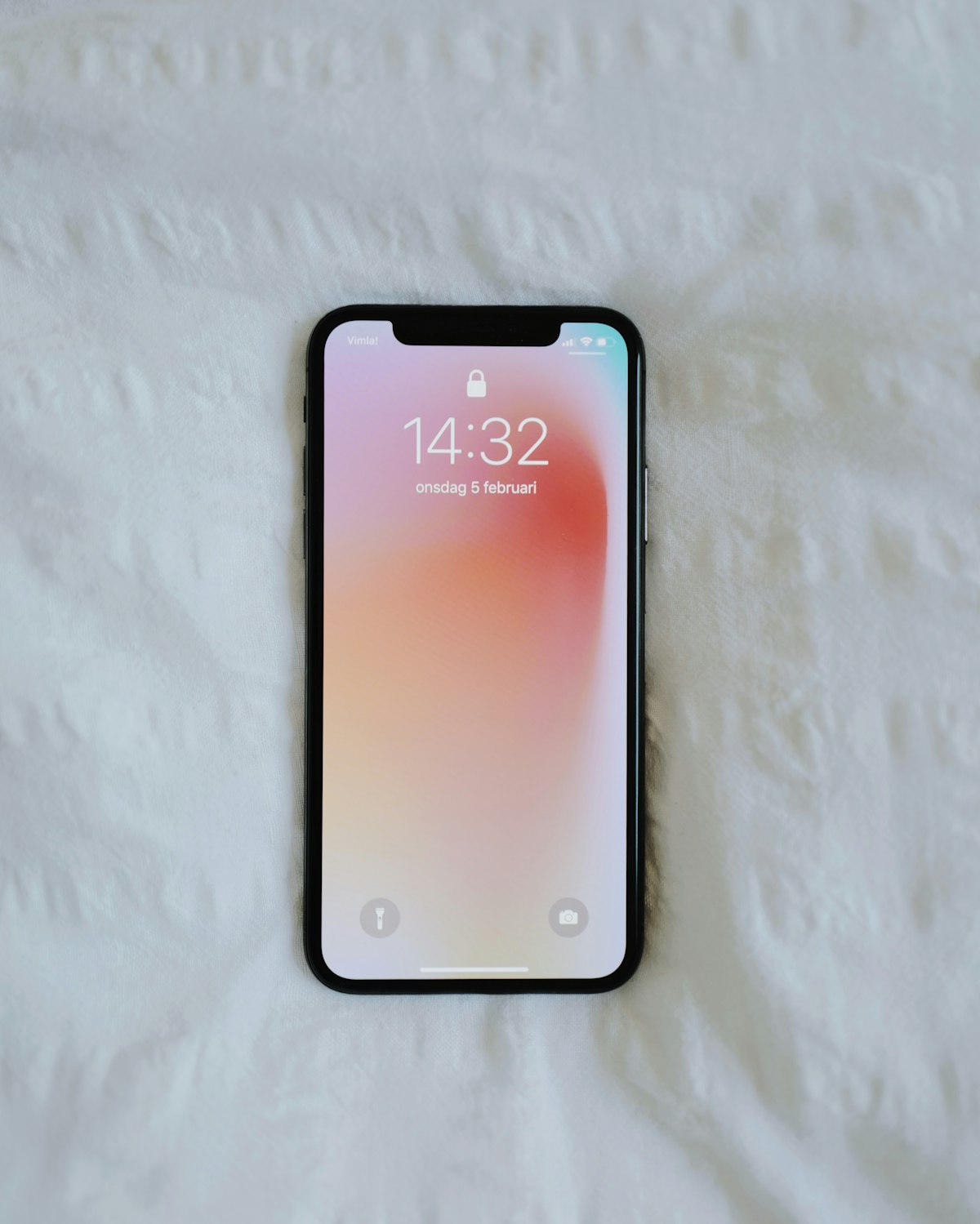
Apple is once again the most valuable company on the planet, overtaking Nvidia in a market rotation that has upended the logic of the artificial intelligence trade.
By Blumefield | July 18, 2026
Apple Retakes the Crown
For most of the past two years the pecking order of American capitalism looked settled. Nvidia, the company selling the shovels in the artificial intelligence gold rush, became the first business in history to cross a $5 trillion valuation last October, and it seemed to widen its lead by the week. That order broke on Friday. Apple overtook Nvidia in intraday trading to reclaim its status as the world's most valuable company, a position it had not held since April 2025.
The gap was narrow but symbolically enormous. Apple's stock has climbed roughly 23% this year and touched a valuation near $4.9 trillion, putting it within a short rally of the $5 trillion mark that Nvidia reached first. Nvidia, by contrast, has surrendered much of its momentum. Its shares have hovered just below $200 for weeks, sitting around 17% beneath the record high they set in May and showing only a low single-digit gain for the year.
What makes the handover striking is how quietly it arrived. There was no blockbuster Apple product launch this month and no disastrous Nvidia earnings miss. Instead, the change reflects a slow reassessment of where the profits of the AI boom will actually accrue, and whether the companies pouring hundreds of billions into data centers will earn a return that justifies the spending. The new most valuable company won the title not by building the future faster, but by spending less to get there.
The Asset-Light Bet Pays Off
Apple spent the early part of the AI cycle being mocked for caution. While rivals unveiled ever larger models and committed to enormous capital budgets, Apple shipped incremental features and leaned on partners for its most advanced capabilities. Investors who once punished that restraint are now rewarding it. Apple's business throws off enormous free cash flow, carries light capital spending relative to its peers, and sits on top of an installed base of more than two billion active devices that can distribute AI features the moment they are ready.
That contrast has become the central investment thesis behind the new most valuable company. The four largest cloud and platform companies have collectively committed to spending as much as $725 billion on capital expenditure this year, a jump of roughly 77% over 2025, most of it flowing into chips, servers, networking and power. Apple's outlays are a fraction of that. When markets believed AI spending guaranteed AI profits, the heavy spenders led. As that belief wobbles, the company that owns the customer rather than the compute suddenly looks safer.
Apple's own investor materials, available through its investor relations site, continue to emphasize services growth, buybacks and margin discipline rather than a capital arms race. The bet is straightforward. Apple does not need to win the race to build the smartest model. It needs the smartest models to run well on hardware people already own, and it collects a toll either way. For a company that avoided the most expensive part of the boom, becoming the most valuable company again is a vindication of doing less.
Nvidia and the Chip Trade Wobble
Nvidia has not stumbled so much as the market beneath it has shifted. The Philadelphia Semiconductor Index has fallen more than 19% from the record high it set in late June, on track for its worst stretch since early 2025, and the decline has erased more than a trillion dollars of combined market value across the sector. Applied Materials, Lam Research, Broadcom and AMD have all been dragged lower alongside the memory makers in Asia, where even a record profit at Samsung failed to stop its shares sliding.
The trigger is not collapsing demand but hardening doubt. Investors have started asking a blunt question about the AI buildout: who ultimately pays for all these chips, and when do the returns show up. Nvidia's financial disclosures, published on its investor relations portal, still describe extraordinary demand for its data center products. Yet a stock that trades on expectations cannot keep rising on the same good news forever, and the reassessment of hyperscaler spending has hit the clearest beneficiary of that spending hardest.
None of this signals that Nvidia is in decline. Many analysts frame the pullback as a mid-cycle reset and a bout of profit-taking rather than a break in the underlying story, and they have largely kept their longer term targets intact. Broader index data compiled by exchanges such as Nasdaq shows the chip complex remains far above where it traded a year ago. But leadership in a market is a fragile thing, and for now the money is rotating away from the picks and shovels toward the company selling directly to consumers.
What Changed in Investors' Minds
The deeper story is a change in how the market values distribution against production. For two years the dominant belief held that whoever supplied the raw compute for AI would capture the largest share of its economics, and Nvidia was the purest expression of that idea. The rise of the new most valuable company reflects a competing thesis gaining ground: that owning the relationship with billions of users may prove just as valuable as owning the chips inside the servers.
Apple embodies that argument better than any company on earth. It controls the device, the operating system, the app store and the payment rails, and it can push an AI capability to hundreds of millions of people through a single software update. If artificial intelligence becomes a feature rather than a destination, the platforms that already sit in people's pockets stand to benefit whether or not they trained the underlying model. That is why investors are willing to crown a relatively cautious hardware company the most valuable company at the very moment the technology it once seemed to be losing looks most transformative.
The rotation is also a discipline check on the entire sector. Markets are effectively rewarding capital restraint and punishing capital intensity, a reversal that could ripple through every boardroom weighing another data center. If the safest way to profit from AI is to spend the least on it, the incentive structure that has driven the buildout starts to look shaky.
The Road to $5 Trillion
Apple's return to the summit is not without hazards. The company is fighting a bruising trade secrets dispute with OpenAI, faces regulatory pressure across the United States and Europe, and still has to prove that its own AI features can match the polish investors now assume. A single disappointing product cycle or an adverse legal ruling could stall the climb toward $5 trillion as quickly as the rally began. Reclaiming the most valuable company title is easier than holding it.
For Nvidia, the path back runs through its next set of results and the capital plans of its biggest customers. If hyperscaler spending holds and the promised returns begin to materialize, the chipmaker could retake the lead as fast as it lost it. The two companies are now close enough that a few weeks of trading could flip the ranking again, and the contest between the maker of the compute and the owner of the customer is unlikely to settle soon.
What Friday established is that the AI trade has entered a more skeptical phase, one where spending is scrutinized rather than celebrated. Readers following the semiconductor rout on Blumefield will recognize the pattern: the market is no longer paying any price for AI exposure, and it is starting to ask where the profit actually lives. For now it has decided the answer sits in Cupertino, and it has made Apple the most valuable company in the world once more. Whether that verdict survives the next earnings season is the question that will define the rest of 2026, and Blumefield will be tracking every turn.